

The ritual of alternating between heat and extreme cold has transitioned from ancient Nordic traditions to a cornerstone of modern athletic recovery. Often referred to as contrast therapy, the deliberate transition from a sauna and cold plunge sequence triggers a cascade of physiological responses. This method is not merely about enduring temperature extremes but rather about harnessing the body’s adaptive mechanisms for vascular health, metabolic efficiency, and mental resilience. Understanding the biological interplay during these shifts helps practitioners maximize the therapeutic benefits while ensuring safety throughout the process.
When you immerse yourself in the high heat of a sauna, your blood vessels undergo significant vasodilation. This expansion allows blood to flow more freely to the skin’s surface, aiding in thermoregulation and delivering oxygenated blood to fatigued muscle tissues.
The sudden shift to a cold plunge tub causes an immediate and powerful vasoconstriction. This “pumping” action—moving from wide to narrow vessel diameters—acts as a natural stimulus for the circulatory system. It forces blood back toward internal organs and, upon returning to a neutral or warm environment, the subsequent reperfusion helps deliver fresh nutrients and supports the body’s natural recovery processes. The primary mechanism behind cold-induced recovery, however, lies in the reduction of tissue inflammation, the slowing of metabolic activity at the injury site, and a numbing effect on nerve endings that alleviates the perception of soreness.
Most experts recommend starting with the heat. A sauna session preps the body by elevating the core temperature and promoting a state of deep relaxation, largely driven by the parasympathetic nervous system.
This sets the stage for a more pronounced physiological swing. The subsequent cold plunge acts as an intense stimulus for the sympathetic nervous system, triggering a sharp state of alertness. Moving between these two extremes trains the nervous system’s flexibility, improving its ability to shift between relaxed and active states efficiently.
For the final round, the choice of temperature depends on the goal. If the aim is to reduce acute inflammation after training, ending with cold is standard. If the aim is deep relaxation and preparing for rest, ending with a brief return to heat is often preferred. Regardless of the sequence, the core benefit comes from mindful and consistent adaptation to the temperature transition.
Stepping into near-freezing water triggers a sharp release of norepinephrine and dopamine. This isn’t just a “rush”; it is a systemic hormonal response that can improve mood and focus for hours after the session.
Regular exposure to this stressor builds “top-down” mental control. By forcing the brain to stay calm during the initial gasp reflex of a cold plunge, individuals develop a higher threshold for stress in their daily lives. This psychological fortifying is often cited as a primary reason for the growing popularity of at-home cold therapy setups.
| Feature | Sauna Requirements | Cold Plunge Requirements |
|---|---|---|
| Temperature Range | 150°F – 195°F | 39°F – 55°F |
| Typical Duration | 15 – 20 minutes | 2 – 5 minutes |
| Filtration Needs | Ventilation and drainage | Constant circulation and ozone/UV |
| Material Focus | Heat-treated wood (Cedar/Hemlock) | Insulated acrylic or stainless steel |
Maintaining the correct temperature delta is crucial. If the sauna is not hot enough or the water is too warm, the vascular “pump” effect is diminished. High-quality insulation in both units ensures that energy is not wasted and that the therapeutic thresholds are consistently met.
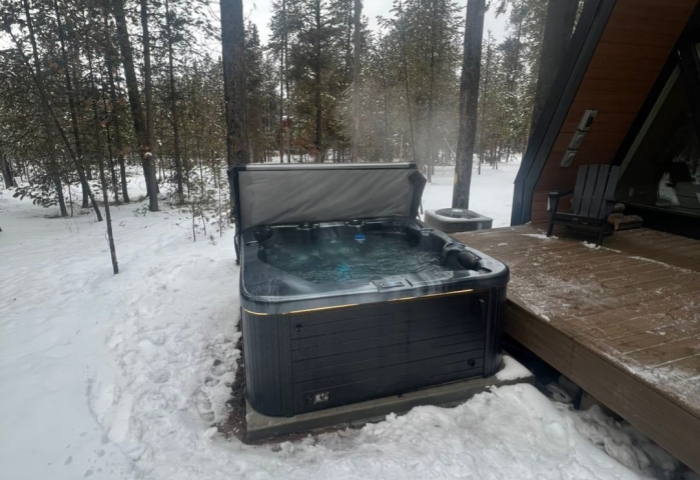
Hydration is the most critical factor when engaging in contrast therapy. The sauna induces significant sweating, which can lead to dehydration if fluids are not replenished before and after the cycle. It is advisable to drink mineral-rich water to replace electrolytes lost through perspiration.
Listen to your body’s signals rather than a timer. While three rounds of sauna and cold plunge is a standard protocol, beginners should start with shorter durations. If you feel lightheaded or excessively shivering, it is time to exit the water or the heat immediately.
The physiological advice provided in this article is based on general wellness knowledge and is for reference only. For any specific health concerns, especially regarding cardiovascular conditions, please consult a medical professional or a licensed physician first.
Consistency outweighs intensity. Engaging in a sauna and cold plunge session two to three times a week is sufficient for most people to notice improvements in sleep quality and muscle recovery. It provides a dedicated window for recovery that balances the stressors of a high-performance lifestyle.
As the body adapts, the “cold shock” becomes easier to manage. This process reflects a broader biological principle: brief, manageable doses of stress—including temperature extremes—can trigger adaptive responses that build cellular resilience over time. Investing in reliable equipment ensures that this powerful wellness tool remains a frictionless part of your long-term health strategy.
Building a dedicated space for these practices allows for a controlled environment. Whether it is a compact cold plunge on a patio or a full-sized sauna in a home gym, the proximity to these tools increases the likelihood of maintaining the habit. The synergy between heat and cold remains one of the most effective, natural ways to optimize human physiology.
Integrating a sauna and cold plunge routine into your life is a commitment to proactive health. By understanding the science behind the sweat and the shiver, you can transform a simple bath into a sophisticated recovery protocol. The result is a more resilient body and a sharper, more focused mind.