

Elite performance is often decided by the speed of physical restoration rather than the intensity of the training itself. A dedicated cold plunge tub has transitioned from a niche recovery tool for professional athletes to a critical component of modern wellness infrastructure. This shift is driven by the precision engineering required to maintain therapeutic water temperatures consistently and safely.
Unlike makeshift ice baths that suffer from rapid thermal degradation, a professional cold plunge tub utilizes advanced refrigeration technology to sustain temperatures as low as 3°C. This stability is vital for inducing the physiological responses necessary for effective vasoconstriction. Without a constant thermal environment, the metabolic benefits of cryotherapy are significantly diminished by the body’s own heat output.
The core of a high-performance recovery system lies in its chilling capacity. For instance, the I-01 model features a 1HP chiller designed to handle the thermal load of a human body entering the water. This rapid heat exchange ensures the water does not warm up significantly during the session, maintaining the 3°C to 10°C therapeutic window.
High-density PU foam insulation plays a silent but crucial role in operational efficiency. By wrapping the US Aristech Acrylic shell in thermal-resistant layers, energy consumption is minimized while the structural integrity of the water temperature is preserved. This ensures the unit remains ready for immediate use without the logistical burden of manually adding ice.
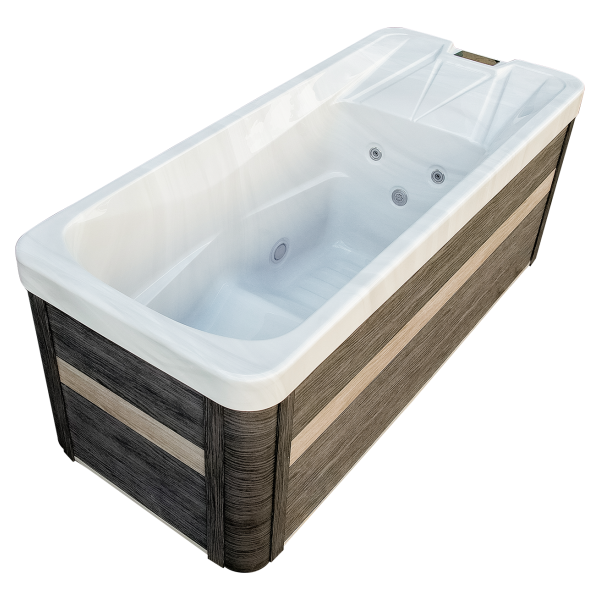
A common misconception is that cold recovery must be a static experience. Modern designs incorporate targeted massage jets to combine the benefits of cold exposure with mechanical tissue manipulation. These jets prevent the formation of a “thermal bridge”—a thin layer of warmed water against the skin—which otherwise insulates the body from the cold.
By disrupting this boundary layer, the jets ensure that the cold water remains in direct contact with the skin, maximizing the rate of core temperature reduction. This dual-action approach accelerates the removal of metabolic waste like lactic acid from the muscle tissue. It provides a more comprehensive recovery solution than traditional static soaking methods.
| Feature | Specification Details |
|---|---|
| Shell Material | US Aristech Acrylic (Glossy White Marbled) |
| Chiller Capacity | 1HP High-Efficiency System |
| Minimum Temp | 3°C (37.4°F) |
| Insulation | High-density PU Foam + PS Plastic Skirt |
| Dimensions | 1880 mm × 800 mm × 720 mm |
Manual ice baths are plagued by inconsistency and high labor costs. Maintaining a commercial-grade ice supply is both expensive and prone to hygiene issues. A self-contained cold plunge tub resolves these operational challenges by integrating a filtration and UV sterilization system directly into the unit’s plumbing.
This automated maintenance cycle ensures that water remains crystal clear and pathogen-free even with frequent use. For facilities like professional sports recovery centers or home gyms, this translates to reduced downtime and a safer environment for the user. The aluminum support frame and ABS base provide a durable foundation that resists corrosion in high-moisture settings.
What is the ideal temperature for muscle recovery?
Most clinical research suggests a range between 10°C and 15°C for general recovery, though elite athletes often utilize temperatures as low as 3°C for shorter durations to manage acute inflammation.
How long does it take to chill the water?
With a 1HP compressor, the system can reduce temperature significantly faster than residential-grade chillers. The exact time depends on the starting ambient temperature and the total water volume.
Can these units be installed outdoors?
Yes, models using weather-resistant PS skirts and UV-stabilized acrylic are specifically engineered for outdoor patio or deck installations, provided they have a stable power supply and adequate ventilation for the chiller.
The investment in a dedicated cold plunge tub is ultimately an investment in long-term health and efficiency. By removing the friction of preparation, athletes are more likely to adhere to a consistent recovery protocol. The result is a measurable reduction in delayed onset muscle soreness (DOMS) and an improvement in subsequent training quality.
Whether integrated into a luxury villa or a high-traffic sports clinic, the technical superiority of a purpose-built system is undeniable. The cold plunge tub has evolved from a simple container into a sophisticated medical-grade appliance. It stands as the definitive solution for those who demand the highest standards of physical maintenance and systemic resilience.