

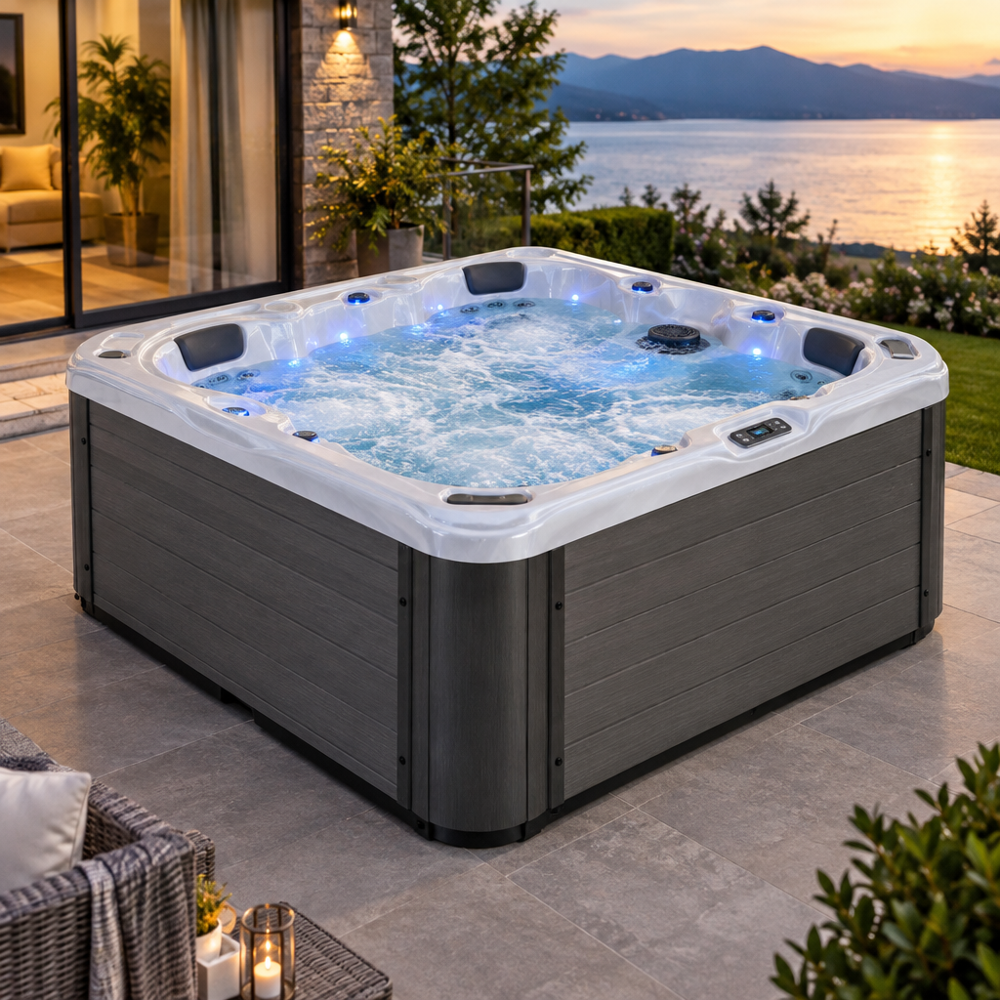
Investing in a hydrotherapy hot tub transforms an ordinary backyard into a functional personal recovery retreat. Warm water immersion and targeted mechanical massage work together to alleviate physical stress, soothe sore muscles, and support mental clarity after long workdays. Navigating shell materials, hydraulic layouts, electrical requirements, and water sanitation protocols can feel overwhelming without clear engineering benchmarks. This practical guide breaks down the core mechanics of aquatic recovery, provides actionable planning parameters for domestic installation, and examines the technical specifications of the Lovia ZR803 5-person hydrotherapy spa.
Hydrotherapy relies on three physical phenomena working in unison: thermal conduction, hydrostatic pressure, and hydrodynamic force. When a person enters warm water, body heat shifts toward equilibrium with the fluid. This thermal transfer encourages peripheral blood vessels to dilate, which improves circulation to extremity tissues.
Buoyancy counters gravity’s constant pull on the human frame. Immersing the body provides buoyancy that reduces the weight-bearing load on joints. This buoyancy grants tight connective tissues and spinal discs relief from the static compression experienced while standing.
Hydrostatic pressure exerts inward force against the skin and underlying capillaries. This pressure helps counteract venous pooling in lower extremities, assisting blood return toward the heart. Combined with targeted hydrodynamic streams, these physical principles yield a sense of muscular relaxation.
Passive soaking eases surface tension, but hydromassage requires kinetic energy delivered to muscle groups. Jets provide pressurized water streams that produce rhythmic, focused impacts. This mechanical action stimulates mechanoreceptors beneath the dermal layer, discouraging muscle guarding.
The jets provide a water-massage sensation that many bathers find physically relaxing after strenuous activity, though individual experiences and comfort preferences naturally vary. The sensation mimics rhythmic kneading, offering a soothing physical interaction without requiring manual effort from the bather.
Adjustable jet nozzles allow bathers to modify velocity and beam dispersion. Users can select patterns that suit broad muscle groups, helping to relieve tension across the back, shoulders, or legs depending on individual needs.
Consumers should distinguish between clinical hydrotherapy and residential hydromassage. In physical therapy clinics, hydrotherapy involves specialized gait pools, contrast baths, and licensed medical practitioners rehabilitating acute injuries or neuromuscular disorders.
A domestic hydrotherapy hot tub serves everyday wellness, physical recuperation, and social connection. It does not replace prescribed rehabilitation, medical surgery, or targeted physical therapy. Instead, a residential hot tub provides continuous access to thermal comfort, helping soothe everyday fatigue and post-exercise soreness within household routines.
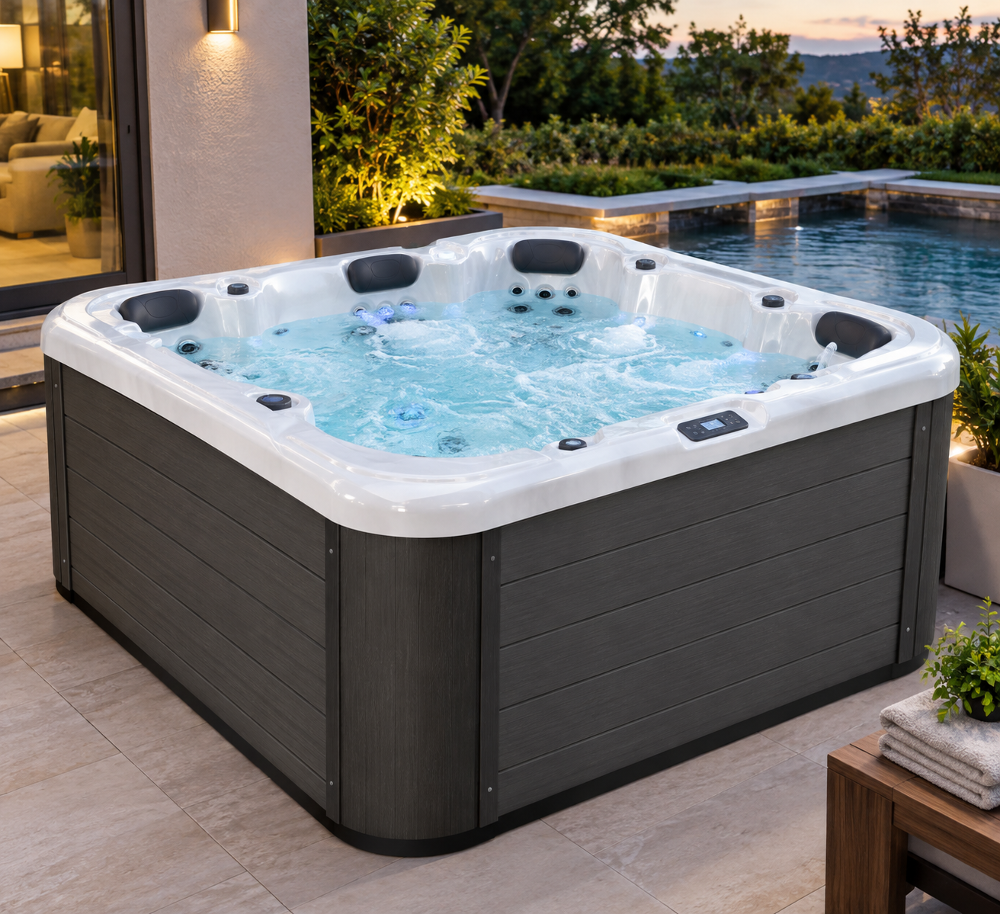
Choosing between contoured reclined loungers and upright bench seating represents a fundamental architectural decision. Loungers support the legs horizontally, letting calves and hamstrings benefit from dedicated jet clusters. They offer comfort for users seeking full-body muscular relief.
Loungers occupy significant floor space within the spa basin. Upright bucket seats, by contrast, conserve internal volume and keep users firmly seated via natural center-of-gravity placement. Evaluating the regular user group helps determine whether to select single-lounge, dual-lounge, or open-bench floor plans.
Hot tubs carry exceptional weight once filled with water and occupied by bathers. Planning site preparation requires precise structural calculations before taking delivery to verify the installation surface.
Neglecting transit dimensions along side yards often leads to unexpected equipment rental fees or property damage on delivery day. Accurate path measurements protect walls, fences, and gates while avoiding unnecessary delivery delays.
High-performance spas demand dedicated electrical feeds to operate multi-horsepower pumps and heating elements. Hardwired connections typically represent the preferred choice for reliable thermal stability and ongoing performance.
Electrical circuits must be equipped with dedicated Ground Fault Circuit Interrupter (GFCI) or residual current device (RCD) protection according to applicable electrical codes. Furthermore, service disconnect devices must be installed at a location and clearance determined by local regulations and manufacturer guidelines, with all work executed by a certified electrician.
Hot water creates a warm, aerated environment where bacteria and organic residues multiply rapidly if left unchecked. A disciplined chemical maintenance schedule is crucial to keep bather water sanitary.
Maintaining stable pH values between 7.0 and 7.8 supports disinfectant efficacy, enhances bather comfort, and helps protect internal equipment components when balanced alongside proper alkalinity and hardness. Residual sanitizers require regular testing and replenishment. Follow product labels to maintain at least 3 ppm of chlorine or 4–8 ppm of bromine.
Regular physical filter cleaning ensures suspended particles are trapped efficiently. Weekly cartridge rinses and periodic chemical degreasing maintain uninhibited water intake.
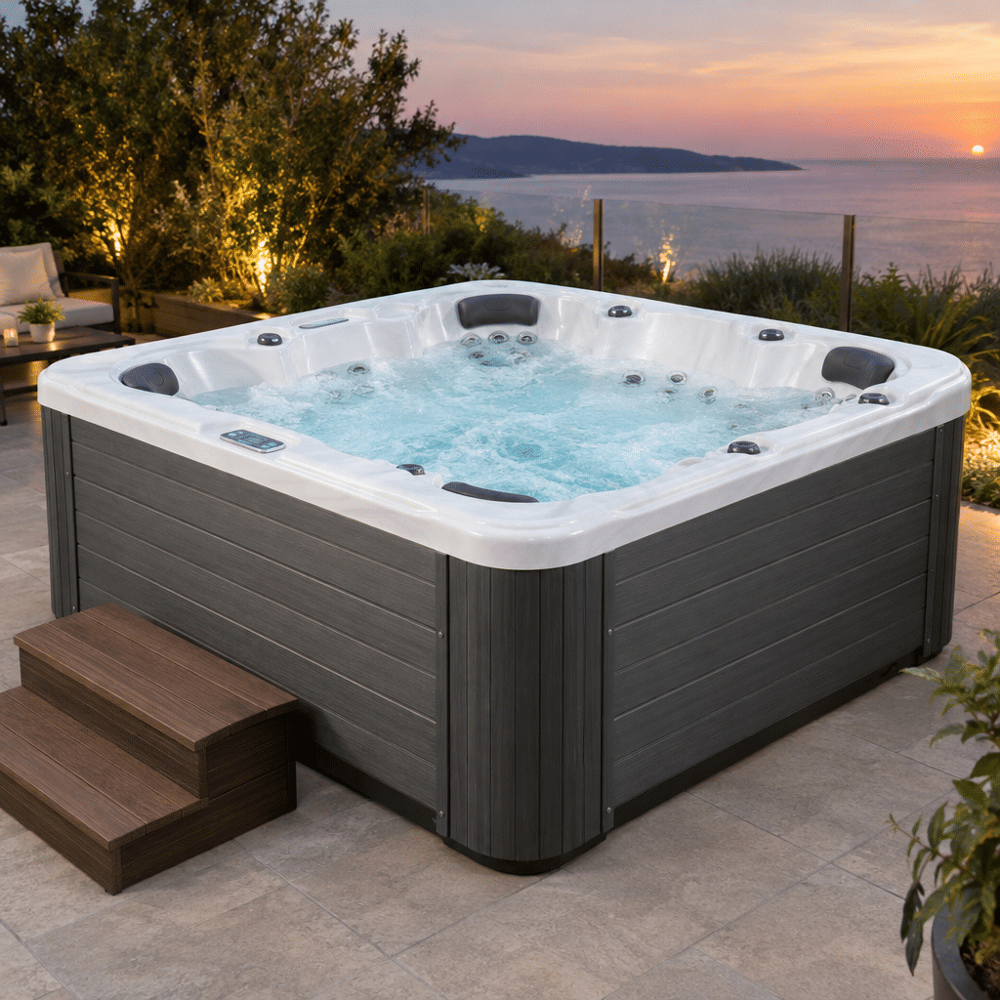
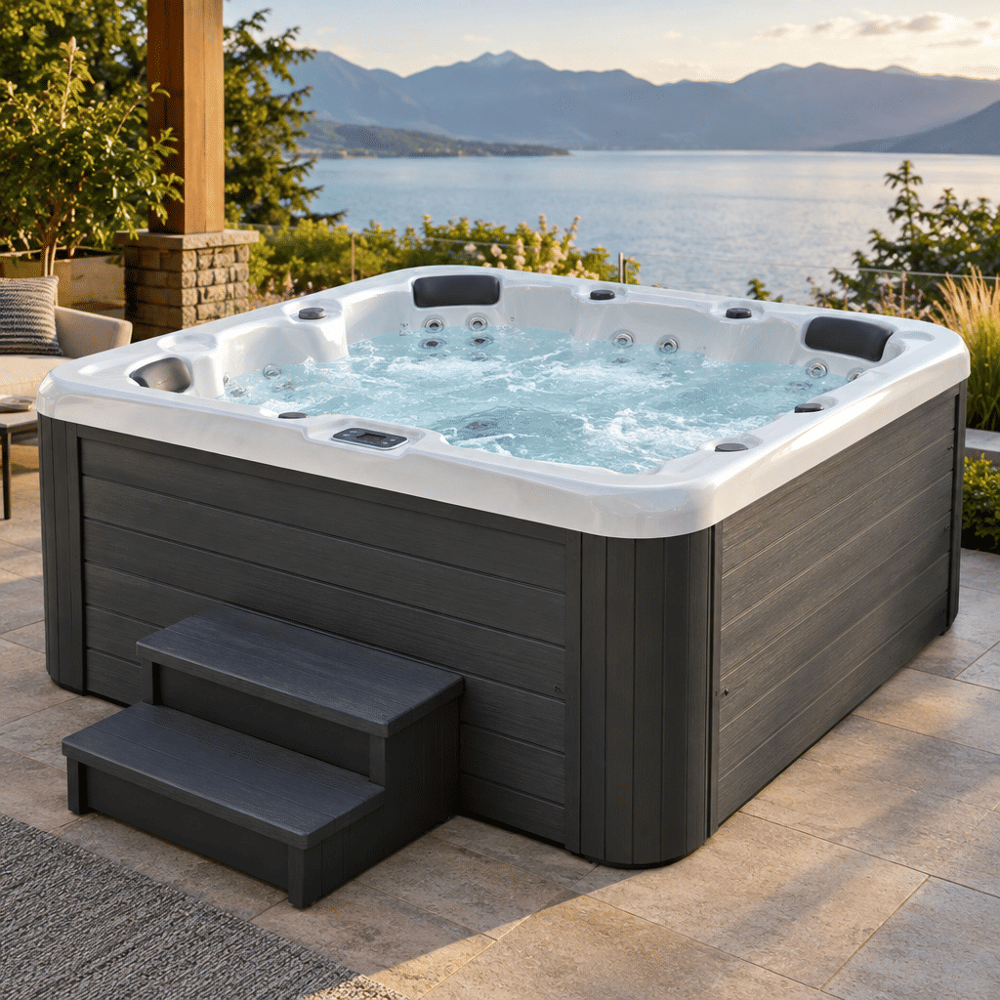
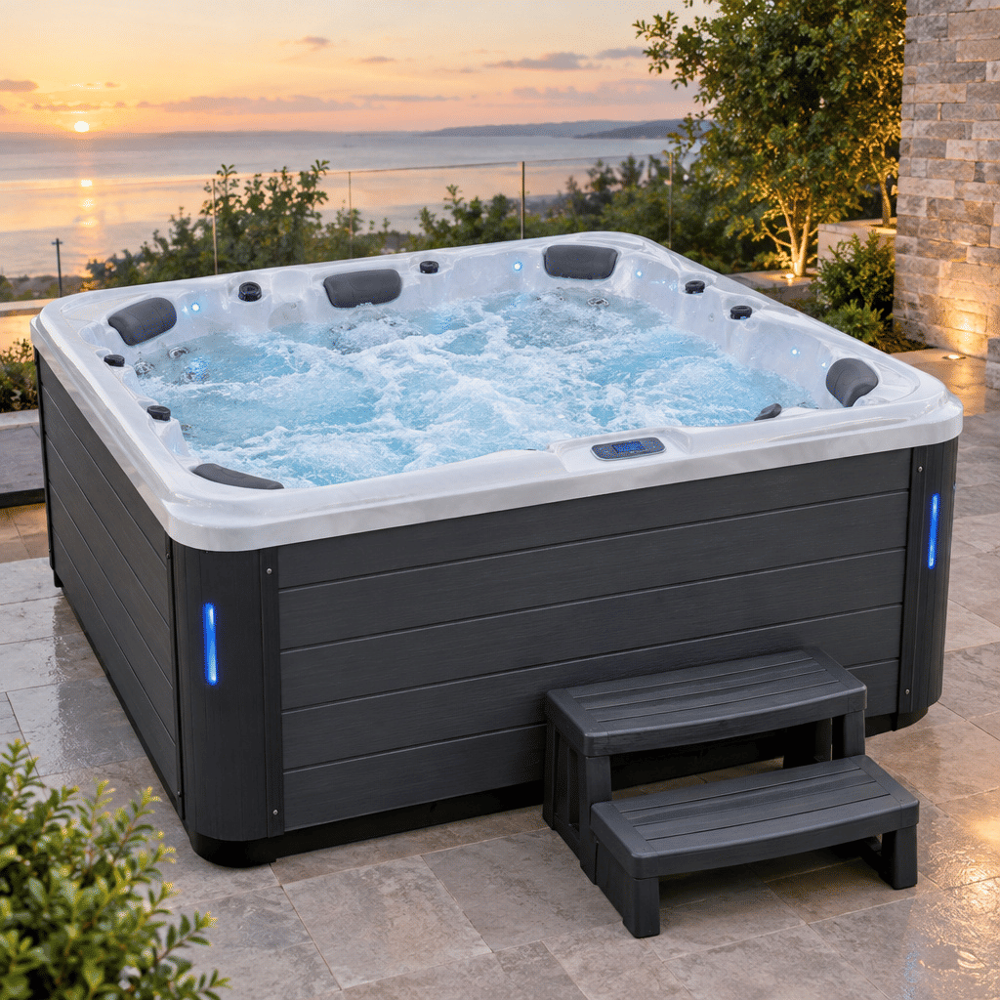
The Lovia ZR803 measures 2100 mm by 2100 mm by 880 mm, establishing a square profile that fits neatly onto standard backyard patios. Internally, the model provides space for five bathers, featuring two full-length contoured loungers positioned alongside three sculpted bucket seats.
Dry weight stands at 370 kg. When fully filled with water, total mass reaches approximately 1870 kg, demanding a solid, unyielding structural pad designed to support this specific weight.
| Technical Parameter | Specification Value |
|---|---|
| External Dimensions | 2100 mm × 2100 mm × 880 mm |
| Seating Configuration | 2 Contoured Loungers + 3 Ergonomic Seats |
| Bather Capacity | 5 Persons |
| Total Jet Count | 36 Massage Jets |
| Dry Weight | 370 kg |
| Filled Operating Weight | 1870 kg |
| Primary Jet Pump | 1 × 3.0 HP High-Volume Pump |
| Circulation Pump | 1 × 0.35 HP Circulation Pump |
| Heater Rating | 3.0 kW Heating Core |
| Control System | Balboa BP200G2 + Balboa TP500S Interface |
| Shell Material | US Aristech Acrylic |
| Structural Framing | Aluminum (40 mm × 20 mm) |
| Shell Insulation | 2 cm Shell Insulation |
| Water Sanitization | Dual Cartridge Filter (2 × 50 sf) + UV Sterilizer |
| Power Flexibility | 220 V / 380 V / 110 V Configuration |
The hydromassage circuit in the ZR803 is driven by a 3.0-horsepower jet pump designed to move water directly through internal plumbing lines. This pump supplies water to 36 massage jets arrayed strategically across the five seating stations.
A dedicated 0.35 HP circulation pump handles filtration cycles without engaging the higher-amperage massage pump, with exact run times determined by programmed controller settings. This separation provides efficient water movement during scheduled filtration routines throughout daily operation.
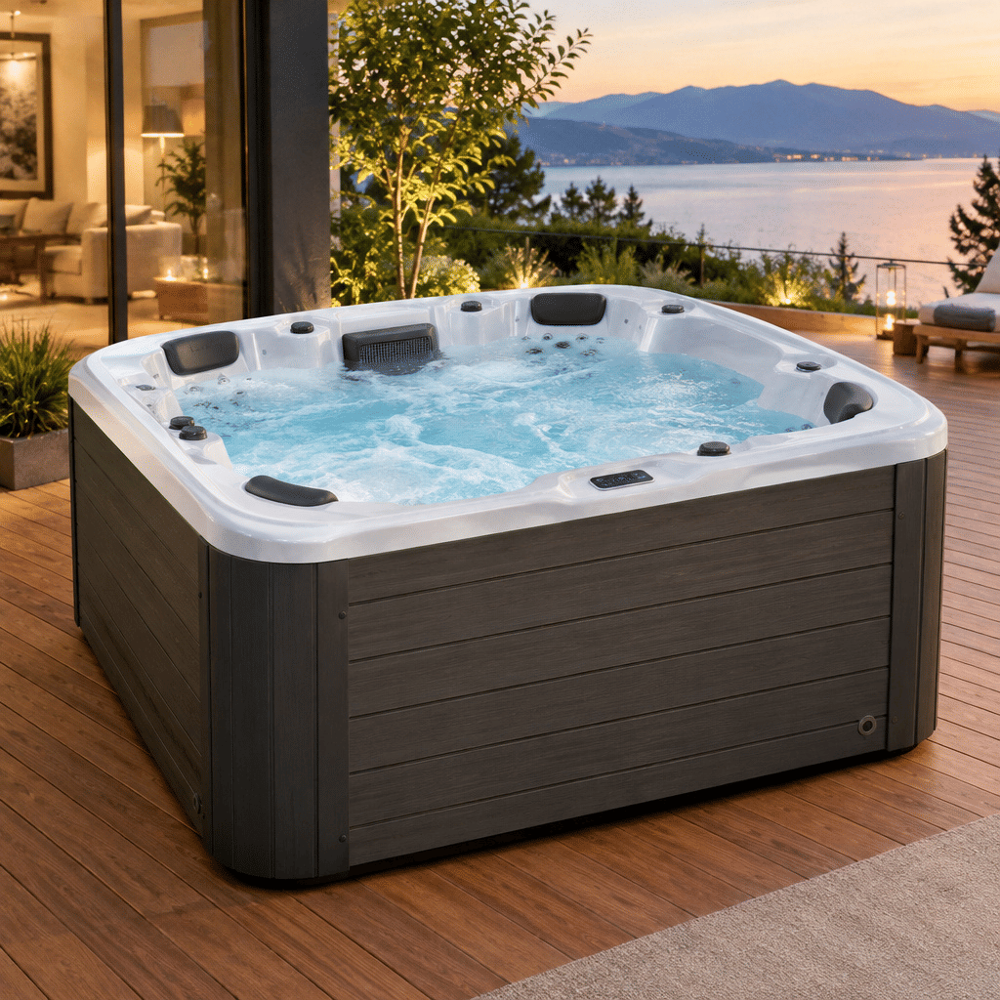
Spa shells face thermal fluctuations, ultraviolet radiation, and moisture. The ZR803 utilizes US Aristech Acrylic, recognized for its hard, non-porous finish and stability. Below the shell sits a structural frame built from tubular aluminum. Aluminum resists rot, fungal decay, and termite infestation in damp environments.
An ABS base with PVC protection board encloses the lower structural foundation of the spa. This structural base supports internal components and encases the plumbing, electronics, and insulation layers situated above ground level.
Operational efficiency depends on heat retention and electrical heating performance. The ZR803 incorporates 2 cm shell insulation applied to the shell reverse, slowing conductive heat transfer from the basin. A 3 kW heating element warms water as it passes through the plumbing circuit.
Controlled through Balboa BP-series circuitry, the heating system manages water temperatures according to user-selected setpoints. Weather-resistant exterior composite skirting shields internal equipment bays from direct outdoor weather exposure, helping minimize perimeter heat loss across varying climate conditions.
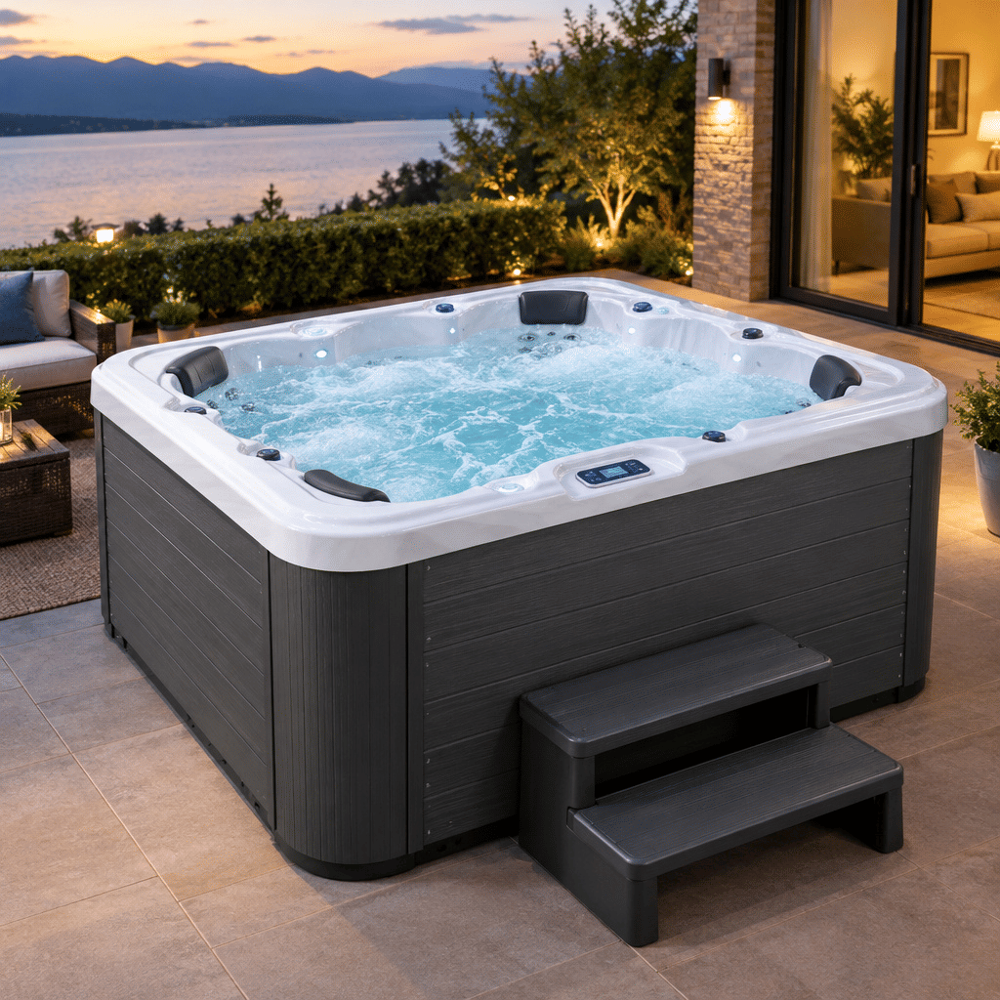
The ZR803 incorporates two full-length loungers, allowing two adults to recline simultaneously. Each lounger supports natural spine curvatures, elevating knees slightly while recessed arm rests help keep users stable during hydromassage.
This dual-lounge footprint reduces open central floor space compared to open-bench models. For those seeking reclined hydromassage, this layout delivers high relaxation density, though it restricts free standing room in the center of the tub.
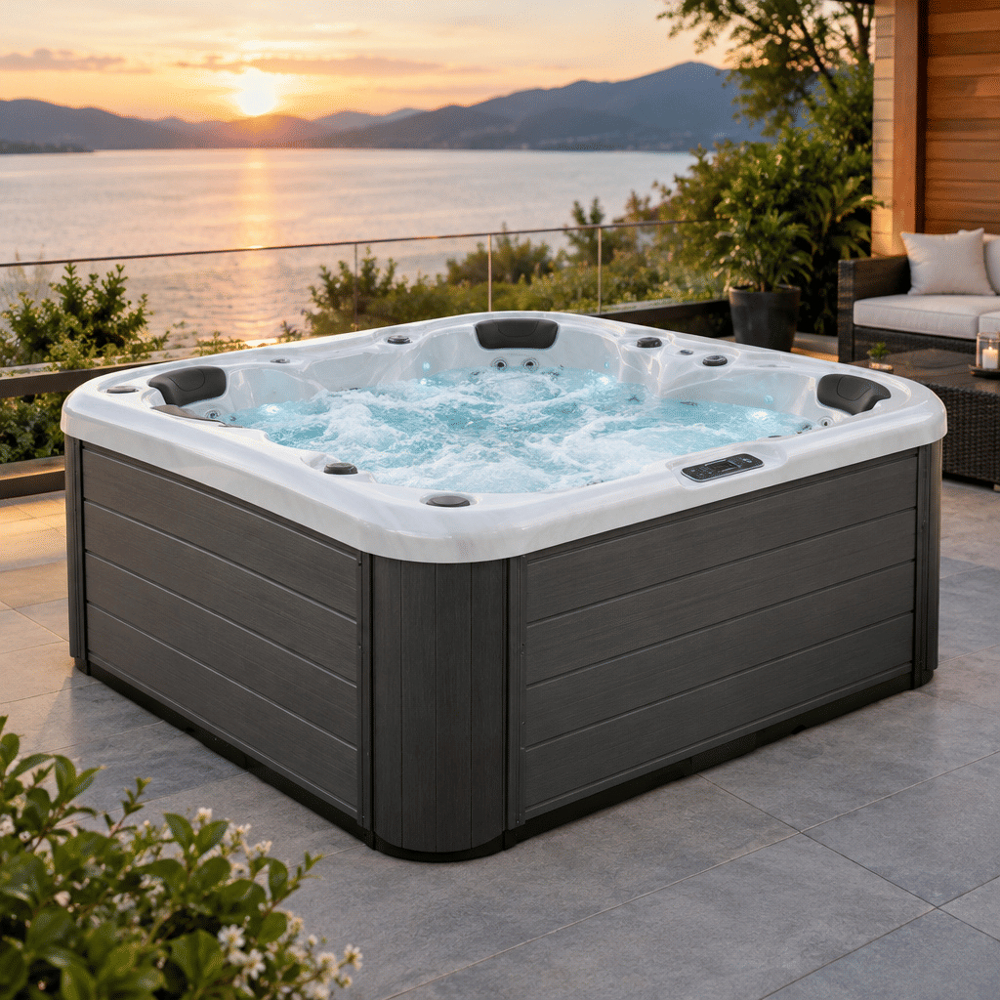
Complementing the dual lounges are three deep upright bucket seats. These stations support upright posture, immersing the torso for thorough hydrostatic exposure. Varying seating depths accommodate bathers of different heights. Taller individuals can sit in deeper corner positions, while shorter bathers can relax in shallower seats.
Integrated padded headrests cradle the neck during extended sessions. The finish of the white acrylic shell provides a smooth surface against the skin.
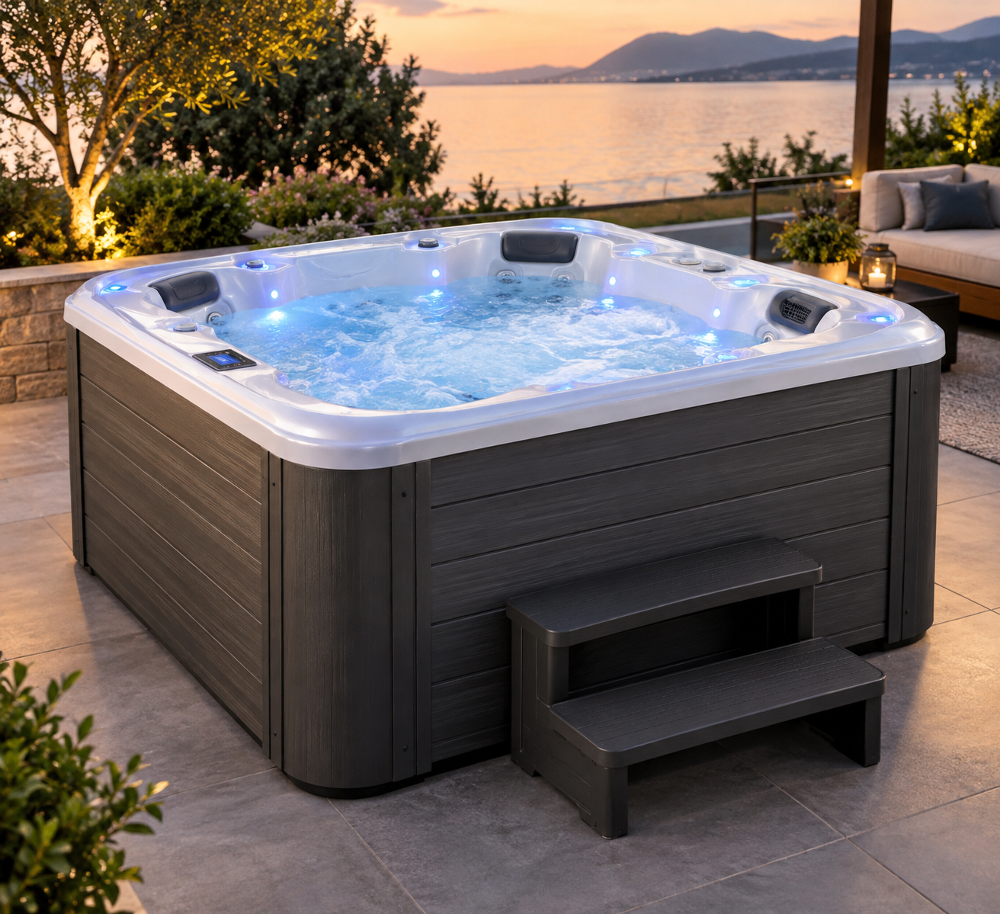
The 36 massage jets in the ZR803 are distributed to provide a comprehensive experience across the back, shoulders, and legs. Owners can adjust individual jet faces, fine-tuning water flow or turning off specific zones.
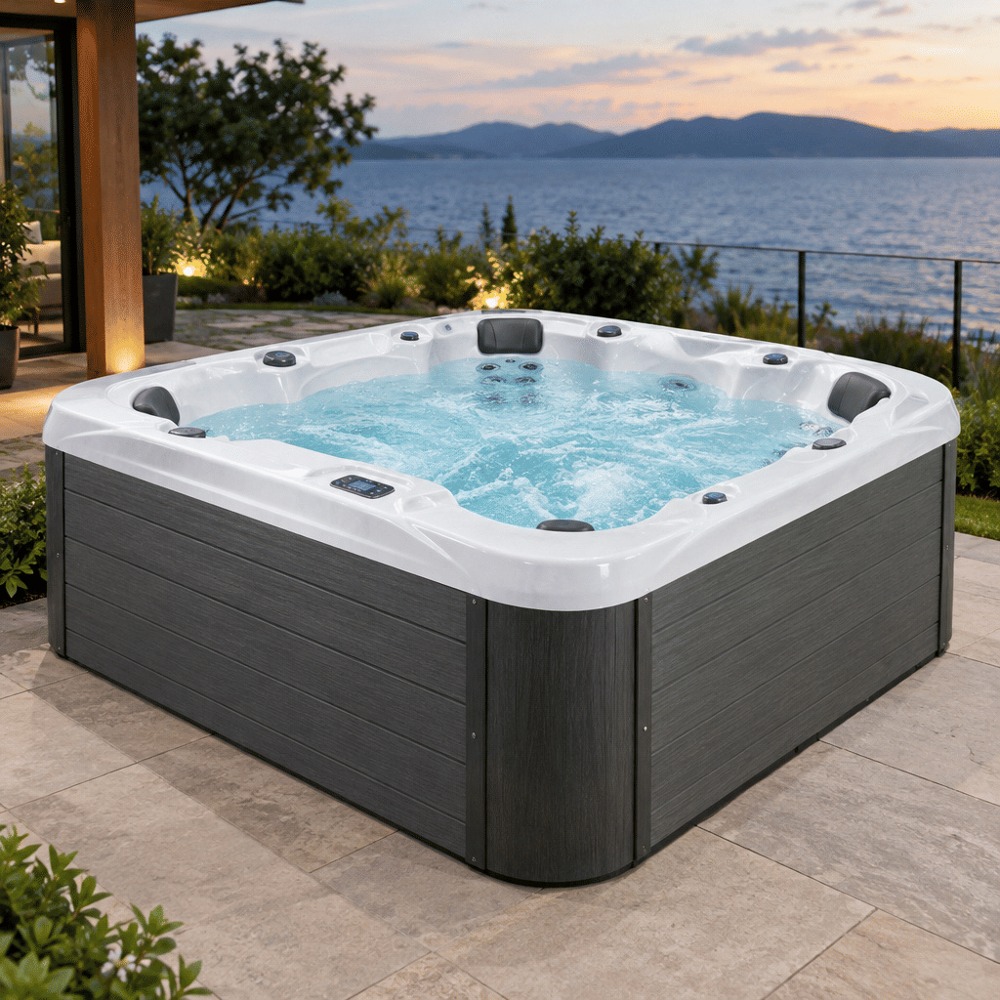
The electronics package pairs the Balboa BP200G2 control box with a user-friendly Balboa TP500S topside keypad. This hardware manages water temperature regulation and filtration cycles.
The TP500S interface supports temperature adjustments and filtration settings, although specific display functions and available menu selections depend on the unit’s configuration. Bathers can utilize the topside panel to observe system status and adjust parameters within approved manufacturer settings.
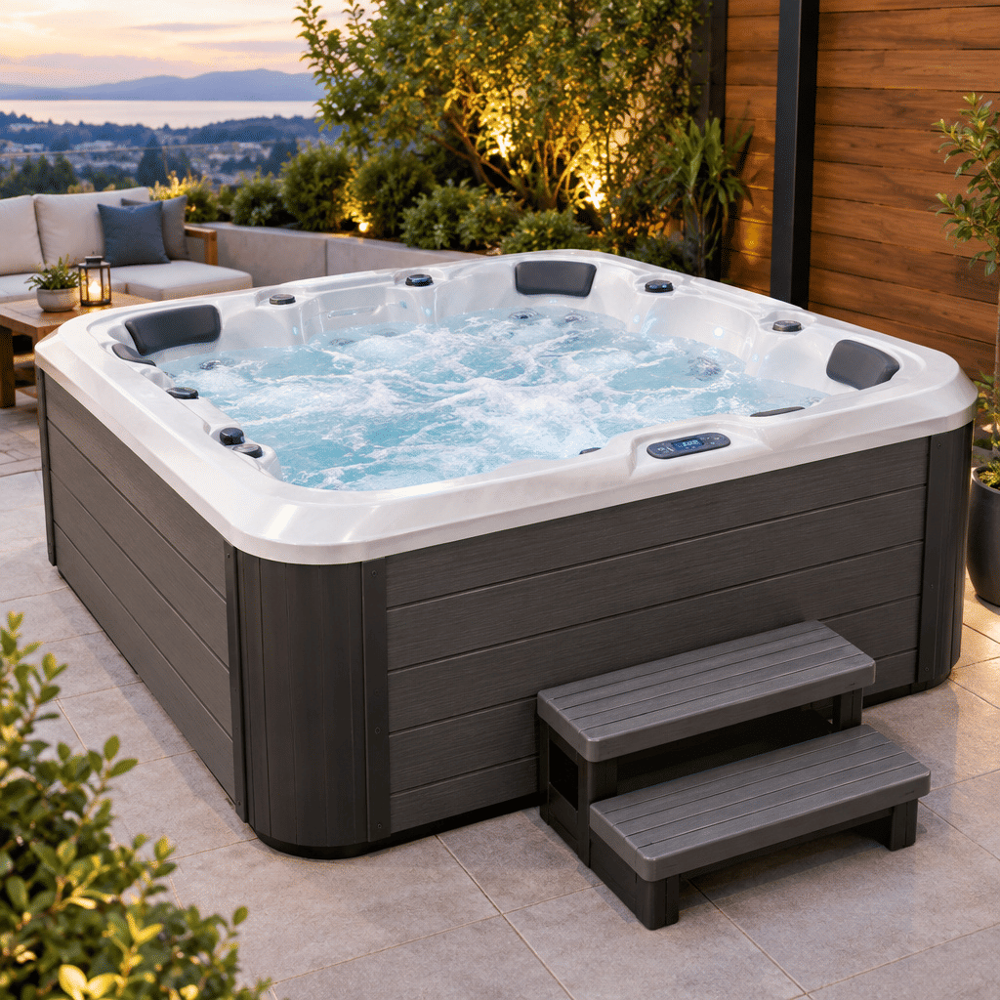
Setting a spa on uncompacted soil, irregular pavers, or soft turf can lead to structural issues. Wet ground that shifts unevenly may cause the shell to twist, resulting in plumbing leaks or shell stress. A flat, level concrete pad provides the most reliable base.
If installing the unit onto a wooden deck, owners must retain a structural engineer to calculate dead loads and live bather loads to verify that the deck can support the weight of the filled tub plus occupants without deflection.
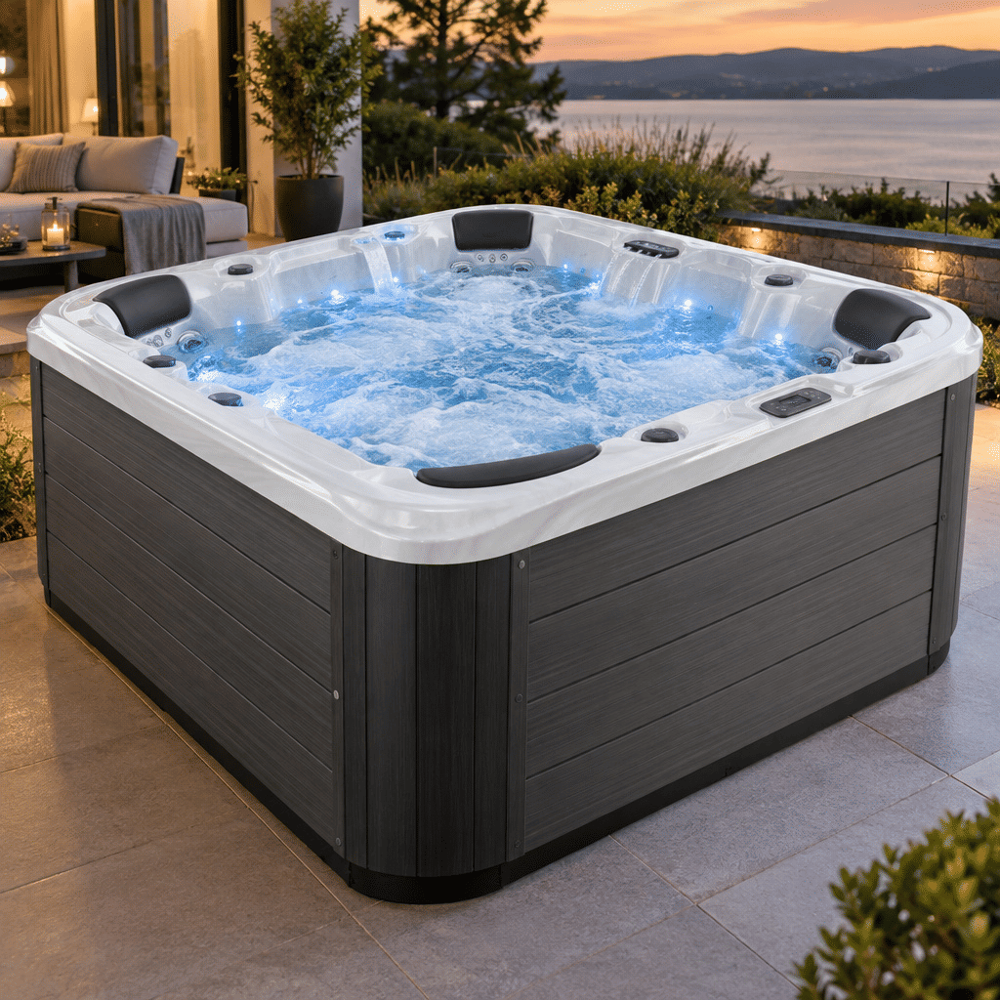
Moving a 370 kg spa from the street to the final pad requires logistical planning. Measure the narrowest passage along fences, roof gutters, and air conditioning compressors. Ensure clear vertical and horizontal clearance for the transport method used.
If ground access proves difficult due to slopes or tight building separations, booking a professional crane service often ensures safe tub placement.
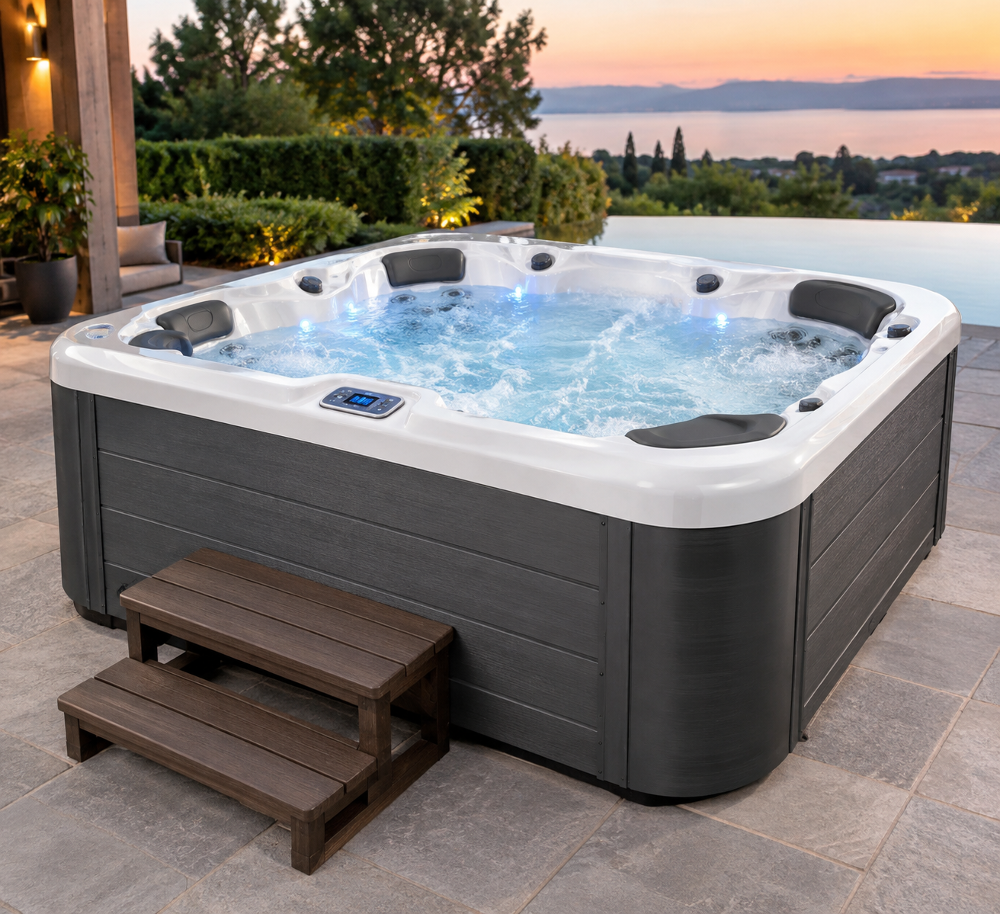
The ZR803 lists power options of 220 V, 380 V, or 110 V across available product specifications. Buyers must verify the specific electrical configuration, nameplate ratings, and branch-circuit capacity with their supplier before roughing in wiring.
A licensed, certified electrician must inspect the site, install dedicated GFCI or RCD protection, and route appropriate wiring. Whether the heater can run simultaneously with the 3 HP jet pump on high speed depends on the specific control configuration and available service amperage.
When positioning the hot tub, always maintain convenient access to equipment bays. The primary pump, Balboa pack, and plumbing unions sit behind the front cabinet panel. Leave sufficient workspace in front of the main access skirt to make drainage, filter inspections, and eventual pump maintenance straightforward.
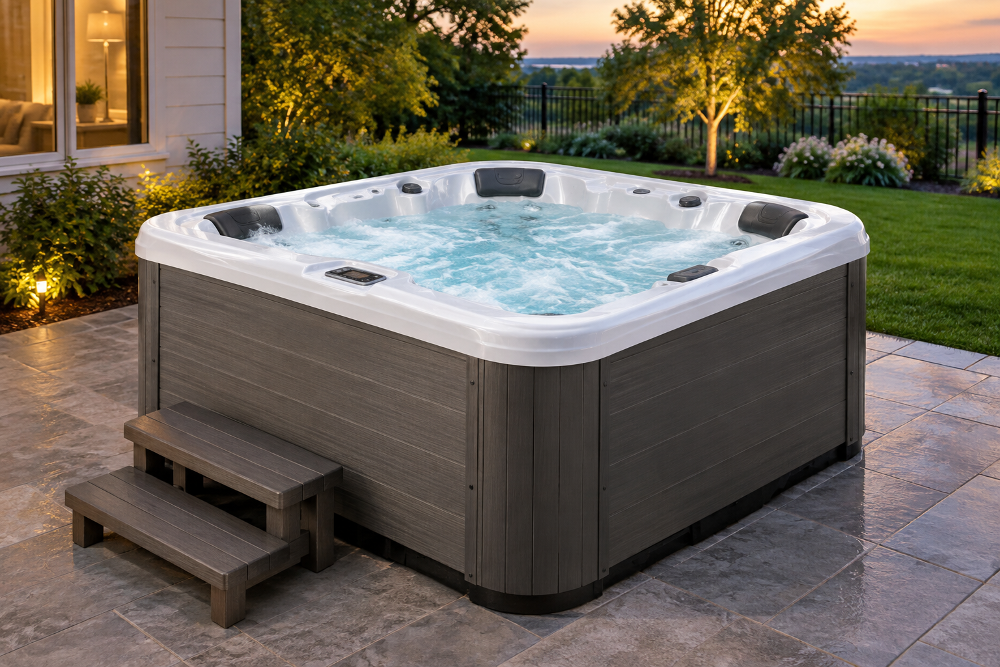
Warm water creates an environment for biological growth if residual sanitizers decline. Consistent chemical treatment preserves sanitary water.
Frequent testing reveals chemical consumption curves based on bather load. Always follow manufacturer water-care instructions for specific targets and total water balance.
The ZR803 includes an integrated inline UV sterilizer. As circulating water flows past the ultraviolet lamp, radiation helps neutralize microorganisms. This process aids in breaking down contaminants.
However, ultraviolet light cannot provide a persistent sanitizer residual in the open tub basin. Owners must maintain baseline levels of free chlorine or bromine alongside the UV system to ensure water remains sanitary.
The control system is designed to limit maximum water temperature. Immersion in water that is too hot can raise core body temperatures, leading to potential health risks. Most adults find 100°F to 102°F (37.5°C to 39°C) comfortable.
Always verify digital water readings with a manual thermometer before entering. Avoid higher temperatures for any user who cannot regulate body heat effectively.
The filtration assembly traps particulate matter. Program the controller to run the circulation pump through periodic filtration cycles daily. Keeping the water volume well-filtered is a key step in maintenance. Remove filter cartridges periodically to rinse out trapped organic matter with a garden hose.
Warm water promotes relaxation, but staying submerged too long carries dehydration risks. Elevated water temperatures trigger perspiration. Limit individual soaking sessions to short durations, especially when operating at higher temperatures. Keep fresh drinking water nearby and avoid alcoholic drinks, which accelerate dehydration and impair reflexes.
CDC guidance advises that children younger than five should not use hot tubs. Senior bathers or individuals with mobility limitations need safe, stable steps with handrails when entering or exiting. When not in use, always latch a rigid, lockable safety cover securely to prevent unauthorized entry.
Because hot water immersion affects blood circulation, individuals with cardiovascular issues must consult their physician before using a spa. Patients taking prescription medications for hypertension or cardiovascular conditions should seek advice regarding potential blood pressure impacts. Expectant mothers should also consult a healthcare provider prior to soaking.
The Lovia ZR803 offers a 5-person configuration that suits growing families and couples who enjoy entertaining. For us at Lovia, an outdoor spa brand specializing in the design, manufacturing, and wholesale of outdoor hot tubs, swim spas, and cold plunge tubs, engineering products certified by international standards ensures high reliability.
If your household hosts large gatherings of six to eight adults, a larger open-plan spa might be more practical. For couples or families of three to five, the ZR803 provides individual therapy stations without demanding massive space.
Bather height plays a role in comfort. The ZR803 features contoured seating designed to accommodate a variety of adult statures. Prospective buyers should review interior dimensions or test the seats to confirm how the contours align with their specific body type and height.
When comparing the ZR803 against other residential spas, focus on verified technical parameters. Look at jet counts, pump capacities, and frame materials. Using an aluminum frame preserves dimensional squareness and stability in outdoor environments compared to traditional treated timber.
The Lovia ZR803 measures 2100 mm in length, 2100 mm in width, and 880 mm in height. Its dry weight is 370 kg, while the operating weight reaches approximately 1870 kg once filled with water. Site preparation requires a level surface engineered to support this structural load.
The spa operates a 3.0 HP jet pump to supply water to 36 massage jets positioned across the loungers and bucket seats. A separate 0.35 HP circulation pump manages scheduled filtration cycles, keeping water moving through the dual-cartridge filter housing without running the primary massage pump.
No, a UV sterilizer cannot replace residual sanitizers. While ultraviolet radiation neutralizes microorganisms passing through the lamp chamber, it leaves no active disinfectant in the basin. Owners must maintain recommended levels of free chlorine or bromine alongside the UV unit according to water-care guidelines.
The ZR803 documentation specifies power compatibility for 220 V, 380 V, or 110 V supplies. A licensed electrician must determine the required breaker sizing, install dedicated GFCI or RCD protection, and complete the hardwiring in accordance with local building regulations and the unit’s rating plate.
No, residential hydrotherapy spas are domestic wellness appliances designed for recreational soaking and muscle relaxation. They do not substitute for clinical medical treatments, structured rehabilitation programs, or physical therapy regimens overseen by licensed healthcare providers.
Selecting the right hydrotherapy hot tub requires evaluation of technical design, hydraulic efficiency, and site readiness. By combining high-grade US Aristech Acrylic with an aluminum frame, reliable electronics, and an efficient interior, the Lovia ZR803 delivers focused muscle recovery and dependable performance. Assessing your backyard requirements, ensuring proper electrical installation, and maintaining water chemistry ensures that your residential hydrotherapy hot tub will provide therapeutic comfort for years to come.