

Immergersi in una vasca di acqua quasi gelida è un'esperienza viscerale che sfida l'istinto umano moderno di comfort. La temperatura specifica della vasca per l'immersione in acqua fredda che si sceglie agisce come principale parametro della risposta fisiologica, determinando se la sessione fornirà una leggera spinta al metabolismo o un profondo shock al sistema nervoso.
Per molti, l'ostacolo iniziale è puramente psicologico, eppure i benefici fisici dell'esposizione deliberata al freddo dipendono in larga misura dal mantenimento di un intervallo termico costante e scientificamente fondato. La maggior parte delle persone trova il proprio equilibrio tra i 10°C e i 15°C, una zona in cui il corpo innesca una significativa vasocostrizione senza sovraccaricare la capacità del cuore di regolare la temperatura corporea.
La crioterapia non è una corsa verso lo zero assoluto, ma piuttosto un approccio calcolato allo stress ormetico. Quando i sensori cutanei rilevano un calo della temperatura nella vasca di immersione in acqua fredda, il sistema nervoso simpatico si attiva, rilasciando un'ondata di noradrenalina che può rimanere elevata per ore.
Mantenere l'acqua a una temperatura compresa tra i 10°C e i 15°C garantisce che il corpo si concentri sulla termogenesi piuttosto che sulla semplice sopravvivenza. Questo intervallo termico è sufficiente a ridurre l'infiammazione sistemica e ad accelerare l'eliminazione delle scorie metaboliche dai tessuti muscolari dopo sessioni di allenamento ad alta intensità.
Scendere significativamente al di sotto dei 5 °C comporta una serie di rischi diversi, tra cui la reazione da "shock termico", che può portare a iperventilazione e perdita del controllo motorio. La precisione nella gestione della temperatura è quindi più importante del raggiungimento del valore minimo possibile indicato dal termometro.
Obiettivi diversi richiedono impostazioni diverse, e considerare la temperatura come una variabile statica spesso porta a risultati stagnanti o a disagi inutili.
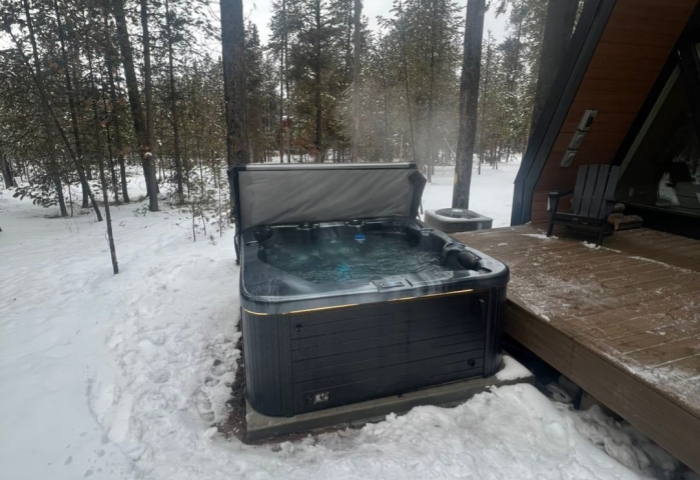
Per ottenere una temperatura stabile in una vasca per immersione in acqua fredda non basta aggiungere ghiaccio. I sistemi moderni utilizzano unità di raffreddamento avanzate e isolamento ad alta densità per prevenire variazioni termiche durante sessioni prolungate o in ambienti esterni più caldi.
Lovia, un marchio di Guangzhou Huantong Industrial Co., Ltd., è specializzata nell'integrazione di questi precisi sistemi di controllo termico in strutture per spa resistenti e durevoli. La loro attenzione ai servizi ODM e OEM garantisce che le apparecchiature di recupero possano mantenere specifici punti di riferimento indipendentemente dalle fluttuazioni meteorologiche esterne.
| Livello utente | Temperatura consigliata | Durata tipica | Area di messa a fuoco |
|---|---|---|---|
| BEGINNER | 15 ° C | 1-2 Minuti | Controllo del respiro |
| Intermedio | 12 ° C | 3-5 Minuti | Recupero muscolare |
| Filtri | 8 ° C | 2-3 Minuti | Ottimizzazione ormonale |
Con quale frequenza va regolata la temperatura dell'acqua?
In genere, è più efficace mantenere la temperatura dell'acqua a un livello costante piuttosto che lasciarla fluttuare. Questo permette al corpo di sviluppare una "memoria termica", rendendo più agevole il passaggio all'acqua nei giorni successivi.
Il movimento dell'acqua influisce sulla percezione del freddo?
Sì, quando si rimane immobili si verifica un fenomeno noto come strato termico. L'acqua in movimento rompe questo strato, facendo sì che la temperatura di una vasca da bagno a 12 °C sembri significativamente più fredda rispetto a quella di una piscina con acqua stagnante.
Qual è la soglia di sicurezza per l'esposizione prolungata?
La sicurezza di questa pratica dipende in larga misura dallo stato di salute del singolo individuo. I consigli qui forniti si basano su conoscenze generali di cura e recupero e sono da intendersi a solo scopo informativo. Per qualsiasi domanda relativa alla salute, si prega di consultare prima un medico.
La costanza nella routine è molto più efficace dell'intensità di una singola sessione gelida. Scegliendo una temperatura gestibile per l'immersione in acqua fredda, ti assicuri che l'abitudine diventi sostenibile e non un compito scoraggiante.
Man mano che acquisisci maggiore resilienza, potresti scoprire che l'acqua che un tempo ti sembrava paralizzante ora ti appare rinfrescante. Questo cambiamento di percezione è il segno distintivo di un percorso di recupero efficace e indica un sistema nervoso più preparato ad affrontare lo stress della vita moderna.