

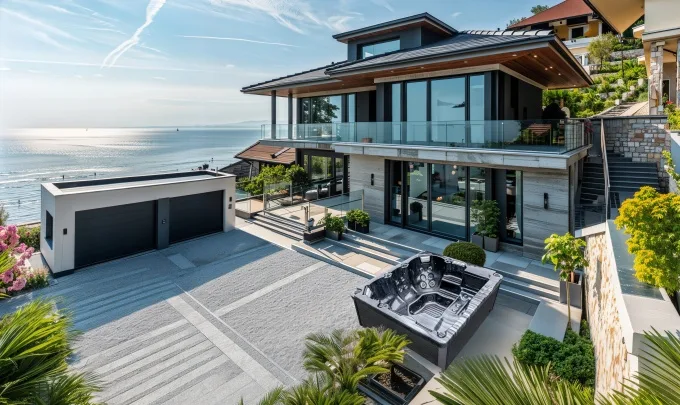
An outdoor hot tub transforms how you spend time in your backyard. Whether you’re seeking relaxation after a long week or a gathering space for friends and family, an outdoor hot tub becomes the centerpiece of outdoor living. The right choice depends on understanding what features matter most and how different models address your specific needs.
People invest in outdoor hot tubs for different reasons. Some want a therapeutic retreat for muscle recovery and stress relief. Others see it as a social hub that brings people together on cool evenings. The appeal goes beyond luxury—it’s about reclaiming outdoor space and making it functional year-round.
The water temperature and massage intensity create an environment where tension literally dissolves. Consistent use can improve circulation and reduce muscle soreness, especially after physical activity or long work hours. Beyond the physical benefits, there’s something psychologically restorative about soaking under the stars while the water jets work their way across your shoulders and back.
Not all outdoor hot tubs deliver the same experience. The differences lie in design details that accumulate to create either a mediocre soak or a genuinely therapeutic one.
Seating design matters more than most people realize. A well-designed outdoor hot tub shell curves to match your body’s natural contours rather than forcing you into an uncomfortable posture. This ergonomic approach reduces strain on your lower back and waist during extended sessions, letting you stay in the water longer without discomfort. Poorly designed tubs leave you shifting positions constantly, never quite settling in.
Jet configuration and power determine what kind of massage you actually experience. A quality outdoor hot tub uses multiple jets positioned strategically to target different muscle groups. The back, waist, and legs each benefit from dedicated jet placement. High-performance jets deliver enough force to genuinely work through muscle tension, not just create surface bubbling. The pump power driving these jets should be substantial enough that you feel real massage pressure, not gentle tickling.
Materials and durability affect how long your investment lasts. Premium acrylic shells resist fading from UV exposure and maintain their gloss finish for years. The support frame should use corrosion-resistant materials like aluminum, especially if your tub stays outdoors through varying seasons. A sturdy frame prevents flexing and ensures the shell stays properly supported through freeze-thaw cycles.
Water sanitation quietly handles what you don’t want to think about. Built-in UV sterilizers and high-capacity filters keep water clean without requiring constant chemical adjustments. A 100 square foot filter paired with reliable circulation handles regular use effectively. This infrastructure matters because compromised water quality ruins the entire experience.
Modern outdoor hot tubs use digital control systems that manage temperature, jet intensity, and circulation automatically. A reliable system like the Balboa BP200G2 control platform with a TP500S interface gives you intuitive adjustment options. You set your preferred temperature once, and the system maintains it without manual intervention.
The heating component deserves attention. A 3kW integrated heater can bring water from cool to comfortable and maintain temperature during use. Response time matters—you don’t want to wait hours for your tub to reach soaking temperature, especially on cold evenings when you want immediate relaxation.
Power requirements vary by region. An outdoor hot tub might operate on 220V, 380V, or 110V depending on local standards and your home’s electrical setup. Understanding your electrical capacity before installation prevents costly rewiring or performance compromises.
The size of your outdoor hot tub determines both its social function and the space it demands. A 5-person model, for example, measures roughly 2 meters by 2 meters—substantial enough for small gatherings but not so large that it overwhelms a typical deck or patio.
When filled with water, a 5-person tub weighs approximately 1,600 kilograms. This weight matters for deck structural integrity and installation planning. Lighter dry weight (around 300 kilograms) makes transportation and initial setup easier, but you’ll need to ensure your outdoor surface can handle the distributed load once filled.
The relationship between capacity and comfort is worth considering. A tub sized for exactly five people works best with three or four actual users, giving everyone adequate personal space and avoiding jet overlap. Overfilling a tub with maximum occupancy creates crowding and reduces the therapeutic benefit.
| Specification | Value | Impact |
|---|---|---|
| Shell Material | US Aristech Acrylic | Superior durability and gloss retention |
| Circulation Pump | 1 × 0.35 HP | Maintains consistent filtration and temperature |
| Jet Pump | 1 × 3 HP | Delivers powerful massage jets |
| Filter Capacity | 100 sq ft | Handles regular use without frequent cleaning |
| Support Frame | Aluminum (40mm × 20mm) | Anti-corrosion, supports structure long-term |
| Headrest Pillows | 3 included | Provides neck support during extended soaks |
These specifications work together as a system. A weak circulation pump combined with a high-capacity filter creates bottlenecks. Undersized jets with a powerful pump wastes energy. Quality outdoor hot tubs balance all these components to function efficiently.
Where you place your outdoor hot tub shapes both its functionality and maintenance requirements. A location with afternoon shade reduces daytime heat loss and UV exposure to the shell. Good drainage around the installation area prevents water pooling that could damage your deck or patio structure.
Wind exposure affects heat retention and water comfort. A tub positioned with natural wind barriers stays warmer and creates a more pleasant soaking environment. Consider sight lines from your home and neighboring properties to ensure privacy and reduce self-consciousness during use.
Access to electrical connections, water supply, and drainage should influence your placement choice. Running these utilities afterward becomes expensive. Planning installation location first, then configuring utilities, saves both money and hassle.
An outdoor hot tub doesn’t require hibernation during cooler months—in fact, that’s when many people use them most. The contrast between hot water and cool air creates a uniquely refreshing experience. Your heating system handles maintaining water temperature regardless of outside conditions.
Routine maintenance stays minimal with proper sanitation systems. Regular filter cleaning and periodic water testing keep chemistry balanced. Most modern systems include guides for these simple tasks, preventing the complex chemistry management that deters some potential owners.
Winter use requires minimal extra effort beyond normal operation. Drain and cover procedures take a few hours if you choose to shut down during extreme cold, or you can keep the system running year-round in most climates. The choice depends on your usage patterns and local weather extremes.
An outdoor hot tub becomes the anchor for outdoor entertaining. The space around it should accommodate relaxed movement—room to enter and exit comfortably, somewhere to place towels and drinks, perhaps seating for people waiting their turn to soak.
Lighting extends usability into evening hours. Soft, ambient lighting around the tub creates atmosphere while practical deck lighting ensures safe movement. Some people add waterproof speakers for background music, turning the experience into full sensory relaxation.
The social aspect shouldn’t be overlooked. Hosting intimate gatherings around a hot tub creates different dynamics than other entertaining spaces. Conversation flows differently when people are comfortable and warm. The setting encourages genuine connection and relaxation rather than standing around while trying to look engaged.
Quality outdoor hot tubs retain functional appeal for many years. A well-maintained tub with quality materials and reliable components becomes part of your regular routine rather than a novelty purchase that sits unused.
The wellness benefits accumulate quietly. Regular soaking improves sleep quality, reduces stress hormones, and provides consistent physical recovery benefits. Over months and years, these subtle improvements to daily life add up to real value beyond the initial purchase price.
Consider this part of outdoor living infrastructure, like a permanent deck or landscaping feature. The initial investment spreads across years of use, making per-use costs quite reasonable when calculated over time.
Choosing an outdoor hot tub requires balancing several factors. Capacity should match your actual usage patterns, not theoretical maximum occupancy. Features like ergonomic seating and jet configuration directly affect whether you actually use the tub regularly or it becomes an elaborate lawn decoration.
Construction quality determines how long your investment lasts. Look for premium materials, reliable control systems, and sanitation infrastructure that keeps you from becoming a chemistry expert. Certifications like CE, ETL, and ROHS indicate manufacturing standards and safety compliance.
The fit with your outdoor space matters practically and aesthetically. An outdoor hot tub should enhance your landscape, not dominate it awkwardly. Proper placement and appropriate sizing ensure it becomes a natural extension of your home rather than an intrusive afterthought.
Once installed, your outdoor hot tub’s value depends on actual use. Establishing a routine—maybe weekend soaking or weekday wind-down sessions—transforms it from an occasional indulgence to genuine wellness infrastructure. The consistent relaxation and muscle recovery create cumulative benefits that justify the investment.
Temperature preferences vary individually. Most people find 37-40°C ideal for extended soaking without overheating. Jet intensity is similarly personal—some prefer vigorous massage while others want gentle circulation. Modern control systems let you customize these settings until you find your perfect configuration.
An outdoor hot tub ultimately reflects your priorities. If you value wellness, outdoor entertaining, and year-round enjoyment of your property, the space becomes indispensable. The right outdoor hot tub transforms an empty deck into a functional retreat where you actually spend time in an outdoor hot tub, not just look at during quiet moments.