

When it comes to relaxation at home and maintaining health, hydrotherapy hot tubs and traditional spas are both popular choices. Although at first glance they seem quite similar, they have distinct features and functions, and can offer very different benefits.
The original design intention of the hydrotherapy hot tub is to provide significant therapeutic effects. It uses strategically placed nozzles to massage specific muscle groups, thereby promoting blood circulation and relieving physical tension. For those who suffer from chronic pain, sports injuries, or stress-related symptoms, such tubs are often highly regarded as ideal choices.
In contrast, traditional spas tend to focus more on offering a general relaxation and leisure experience. Although they may also be equipped with nozzles and a warm water system, their overall design usually lacks the high degree of professional targeting. The core objective is to create a soothing and pleasant atmosphere, rather than providing precisely targeted physical therapeutic effects.
One of the most significant differences between the two lies in their nozzle systems. The hydrotherapy hot tub is equipped with adjustable high-performance nozzles that allow users to customize according to their own needs, achieving the effect of deep tissue massage. These nozzles are carefully arranged to precisely target specific areas such as the back, shoulders, and legs, making the entire experience more therapeutic.
In contrast, traditional spas usually have a smaller number of nozzles and are relatively limited in terms of water flow intensity and personalized adjustment. The massage effect they provide is rather general and may not offer the same level of relief for muscle soreness or joint pain as systems specifically designed for spa functions.
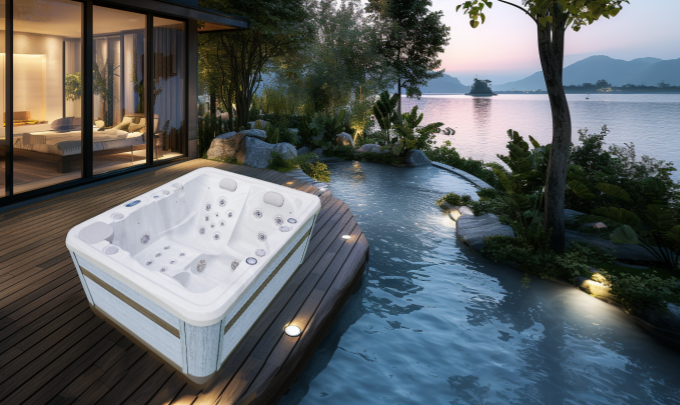
Hydrotherapy hot tubs are renowned for their wide range of health benefits. Regular use of them helps relieve muscle stiffness, promotes blood circulation, and accelerates the recovery process of the body after physical activities. For people with arthritis or those who have difficulty moving, these tubs are also highly beneficial, as the buoyancy of the water can effectively reduce the pressure on joints.
Of course, traditional spas can still offer benefits for relaxation and stress relief, such as reducing mental stress and improving emotional state. However, when it comes to providing highly targeted therapeutic effects, they may not reach the level that specialized water therapy systems can achieve.
Another key difference between the two lies in the degree of personalization. Hydrotherapy hot tubs usually come equipped with a series of advanced features, such as adjustable nozzle strength, ergonomic seats, and preset massage programs. Some high-end models even allow users to deeply customize their spa experience according to their specific health needs.
In contrast, traditional spas can also offer a comfortable experience, but the functions they provide are usually rather basic. They focus more on creating an atmosphere and ensuring the ease of operation rather than offering highly personalized therapeutic options.
Hydrotherapy hot tubs and traditional spas each have their own value, but they are designed to meet different needs. The hydrotherapy massage tub stands out for its outstanding therapeutic effects, while the traditional spa excels in providing a simple and peaceful place for relaxation. Which one to choose depends on your priorities.