

Hot tubs perfectly combine the functions of relaxation and spa, making them an ideal choice for relieving the stress of daily life. However, the cost of owning a hot tub is not only the initial purchase price, but also various related costs, including installation, maintenance and energy consumption.
When purchasing a hot tub, the first expense you encounter is the cost of the tub itself. The price of a hot tub varies due to a variety of factors, such as size, function, brand, and materials used.
The price of an entry-level hot tub usually ranges from $3,000 to $6,000. These hot tubs have relatively simple functions and are suitable for users with limited budgets or those who only need basic features. They usually can only accommodate 2 to 4 people and don’t have many additional luxurious features.
If you are looking for a more durable and fully functional hot tub, a mid-range hot tub is a good choice, with prices usually ranging from $6,000 to $10,000. This type of hot tub will offer more nozzles, better insulation performance and more comfortable seats.
The price of a luxury hot tub can be as high as $10,000 to $20,000 or even more. These hot tubs are usually equipped with custom seats, advanced jet systems, advanced water filtration technology and intelligent functions, aiming to provide users with an ultimate comfortable experience.
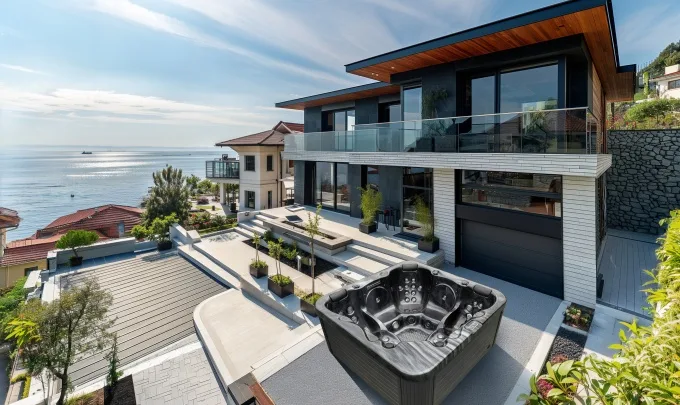
Installing a hot tub is another important cost that needs to be considered. Installation costs depend on a variety of factors. First of all, the installation location is one of the key factors. If your installation area requires leveling or other site preparation work, this will add extra costs, usually ranging from $500 to $2,000.
In addition, hot tubs also require dedicated electrical installations to support water pumps, heaters, and other functional systems. This requires a certified electrician to connect a 240V power supply. The cost varies depending on the complexity of the installation, usually ranging from $500 to $1,500.
If you plan to add additional features during the installation process, such as decks, landscaping, or hot tub cover lifters, etc., these extra functions will also significantly increase the overall installation cost, possibly adding thousands of dollars in expenses.
Regular maintenance helps to extend the service life of the hot tub and ensure the cleanliness and safety of the water quality. First of all, water treatment chemicals are the key to keeping water clean. You need to purchase chlorine, bromine, pH balancers and algaecides regularly to prevent the growth of harmful bacteria and impurities in the water. The cost of these chemicals is approximately $20 to $50 per month.
Secondly, the hot tub is equipped with a filter that needs to be cleaned and replaced regularly. Depending on the frequency of use, you usually need to replace the filter every 6 to 12 months, and the cost is approximately $20 to $100.
Heating a hot tub accounts for the largest proportion of its daily operating costs, especially in cold seasons. The electricity cost for heating and running a hot tub may range from $20 to $100 per month, depending on the size of the hot tub, the temperature you set, the frequency of use, and local electricity prices.
Some modern hot tub designs are more energy-efficient, such as using better insulation materials and energy-saving water pumps, which can reduce overall energy consumption and help lower your costs.
Although the initial investment in purchasing a hot tub may be high, it can bring you years of enjoyment and relaxation. Understanding the long-term costs of its installation, maintenance, energy consumption and repair will help you plan your budget effectively. By investing in an energy-saving hot tub, maintaining it regularly and ensuring its correct installation, you can maximize the advantages of the hot tub while minimizing unexpected expenses.