

लगभग जमने वाले ठंडे पानी के कुंड में उतरना एक ऐसा अनुभव है जो आधुनिक मानव की आराम की सहज प्रवृत्ति को चुनौती देता है। आप जिस तापमान का चयन करते हैं, वह आपकी शारीरिक प्रतिक्रिया को नियंत्रित करने का मुख्य कारक होता है, जिससे यह निर्धारित होता है कि यह सत्र चयापचय को हल्का सा बढ़ावा देगा या तंत्रिका तंत्र को गहरा झटका देगा।
कई लोगों के लिए, शुरुआती बाधा पूरी तरह से मनोवैज्ञानिक होती है, फिर भी जानबूझकर ठंडे तापमान के संपर्क में आने के शारीरिक लाभ काफी हद तक एक स्थिर और वैज्ञानिक रूप से आधारित तापमान सीमा को बनाए रखने पर निर्भर करते हैं। अधिकांश अभ्यासकर्ता 10°C और 15°C के बीच संतुलन पाते हैं, एक ऐसा क्षेत्र जहां शरीर हृदय की आंतरिक गर्मी को नियंत्रित करने की क्षमता को प्रभावित किए बिना महत्वपूर्ण वाहिकासंकुचन को सक्रिय करता है।
कोल्ड थेरेपी शून्य तक पहुंचने की होड़ नहीं है, बल्कि यह हार्मोनिक तनाव के साथ एक सुनियोजित क्रिया है। जब त्वचा के सेंसर ठंडे पानी के टब के तापमान में गिरावट का पता लगाते हैं, तो सिंपैथेटिक तंत्रिका तंत्र सक्रिय हो जाता है, जिससे नॉरएपिनेफ्रिन का स्तर बढ़ जाता है जो घंटों तक उच्च बना रह सकता है।
पानी का तापमान 10°C से 15°C के बीच बनाए रखने से शरीर का ध्यान केवल जीवित रहने के बजाय ऊष्मा उत्पादन पर केंद्रित रहता है। यह तापमान सीमा उच्च तीव्रता वाले प्रशिक्षण सत्रों के बाद मांसपेशियों के ऊतकों से चयापचय अपशिष्ट को तेजी से बाहर निकालने और प्रणालीगत सूजन को कम करने के लिए पर्याप्त है।
तापमान 5 डिग्री सेल्सियस से काफी नीचे जाने पर कई तरह के जोखिम उत्पन्न होते हैं, जिनमें "शीत आघात" प्रतिक्रिया भी शामिल है, जिससे हाइपरवेंटिलेशन और शारीरिक नियंत्रण में कमी हो सकती है। इसलिए, तापमान प्रबंधन में सटीकता थर्मामीटर पर न्यूनतम संभव संख्या तक पहुंचने से कहीं अधिक महत्वपूर्ण है।
अलग-अलग लक्ष्यों के लिए अलग-अलग परिस्थितियों की आवश्यकता होती है, और तापमान को एक स्थिर चर के रूप में देखने से अक्सर परिणाम स्थिर हो जाते हैं या अनावश्यक असुविधा होती है।
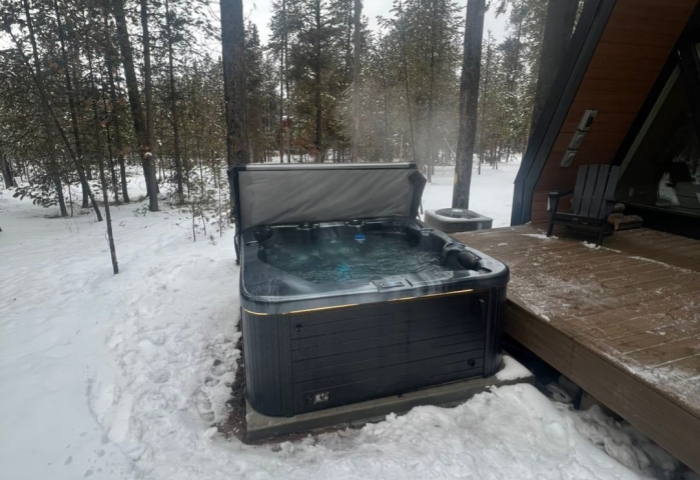
ठंडे पानी के टब का तापमान स्थिर बनाए रखने के लिए सिर्फ बेसिन में बर्फ डालना ही काफी नहीं है। आधुनिक प्रणालियाँ उन्नत शीतलन इकाइयों और उच्च घनत्व वाले इन्सुलेशन का उपयोग करती हैं ताकि लंबे समय तक या गर्म बाहरी वातावरण में तापमान में बदलाव को रोका जा सके।
गुआंगज़ौ हुआनटोंग इंडस्ट्रियल कंपनी लिमिटेड के अंतर्गत आने वाला ब्रांड लोविया, टिकाऊ स्पा संरचनाओं में सटीक थर्मल नियंत्रणों को एकीकृत करने में विशेषज्ञता रखता है। उनकी ओडीएम और ओईएम सेवाओं पर विशेष ध्यान यह सुनिश्चित करता है कि रिकवरी उपकरण बाहरी मौसम के उतार-चढ़ाव के बावजूद विशिष्ट सेट पॉइंट बनाए रख सकें।
| उपयोगकर्ता स्तर | अनुशंसित तापमान | विशिष्ट अवधि | ध्यानाकर्षण क्षेत्र |
|---|---|---|---|
| शुरुआत | 15 डिग्री सेल्सियस | 1-2 मिनट | श्वास पर नियंत्रण |
| मध्यवर्ती | 12 डिग्री सेल्सियस | 3-5 मिनट | मांसपेशियों की रिकवरी |
| उन्नत | 8 डिग्री सेल्सियस | 2-3 मिनट | हार्मोनल अनुकूलन |
पानी का तापमान कितनी बार समायोजित करना चाहिए?
पानी के तापमान को उतार-चढ़ाव के बजाय स्थिर रखना आमतौर पर अधिक प्रभावी होता है। इससे शरीर को "थर्मल मेमोरी" विकसित करने में मदद मिलती है, जिससे आने वाले दिनों में पानी में प्रवेश करना आसान हो जाता है।
क्या पानी की गति से ठंडक की अनुभूति पर असर पड़ता है?
जी हां, जब आप स्थिर बैठे रहते हैं तो एक घटना घटित होती है जिसे थर्मल लेयर कहा जाता है। बहता पानी इस परत को तोड़ देता है, जिससे 12°C तापमान वाले ठंडे पानी के टब का तापमान स्थिर पानी के पूल की तुलना में काफी ठंडा महसूस होता है।
लंबे समय तक संपर्क में रहने की सुरक्षा सीमा क्या है?
इस प्रक्रिया की सुरक्षा पूरी तरह से व्यक्ति के स्वास्थ्य पर निर्भर करती है। यहां दी गई सलाह सामान्य स्वास्थ्य देखभाल और स्वास्थ्य लाभ संबंधी जानकारी पर आधारित है और केवल संदर्भ के लिए है। स्वास्थ्य संबंधी किसी भी प्रश्न के लिए, कृपया पहले किसी चिकित्सक से परामर्श लें।
एक बार के अत्यधिक ठंडे पानी के सत्र की तुलना में, नियमित दिनचर्या में निरंतरता कहीं अधिक प्रभावी होती है। एक ऐसा ठंडा पानी का टब चुनकर जिसे आप आसानी से सहन कर सकें, आप यह सुनिश्चित करते हैं कि यह आदत एक बोझिल काम बनने के बजाय स्थायी बनी रहे।
जैसे-जैसे आप अधिक लचीले होते जाते हैं, आपको शायद वह पानी भी ताजगी भरा लगने लगे जो कभी आपको स्तब्ध कर देता था। धारणा में यह बदलाव सफल पुनर्वास प्रक्रिया की पहचान है, जो यह दर्शाता है कि आपका तंत्रिका तंत्र आधुनिक जीवन के तनावों को बेहतर ढंग से संभालने में सक्षम है।