

An above-ground swim spa provides an excellent opportunity to enjoy water-based relaxation, hydrotherapy, and year-round exercise; however, without proper energy efficiency management, it could turn out to be extremely expensive to run.
Since swim spas have such a large body of heated water that is maintained at a higher temperature than ambient temperature, even the small improvements made through good insulation, maintenance and usage habits can result in a noticeable reduction in monthly energy costs. By implementing a few good strategies, you can experience the same level of stable water temperature with a lower amount of wasted energy and overall operating costs.
Proper insulation is one of the most critical ways to improve energy efficiency within an above-ground swim spa. One of the primary causes of high energy costs, especially in colder temperatures, is heat loss. Heat is lost from a spa cabinet through poorly insulated side panels and a lack of thermal barriers, as well as through plumbing lines that are not insulated. By maintaining an insulated cabinet, using composite (types of thermal barrier material) insulated side panels, and insulating plumbing lines using foam insulation, the swim spa will require approximately 1/3 less energy to operate than if it did not have these types of insulation in place.
If your swim spa is older or has insufficient insulation, then you may want to consider replacing side panels or adding an insulated wrap. Even small improvements can help to reduce the amount of heat that escapes from your swim spa. Therefore, maintaining a stable internal temperature of the swim spa helps to save energy and extend the service life of heating components.
Investing in a high-quality, fitted cover for your swim spa can decrease the amount of energy lost through heat loss when not in use. Evaporation from the surface of the water is one of the largest energy wasters for the swim spa. A good quality thermal cover will keep the heat trapped inside the spa and maintain the temperature of the water with minimal energy use.
The cover must be in good shape. It should not have any cracks in it or absorb water into the foam. If you notice that you have a heavy or warped cover, it is time to purchase a new cover because it is no longer insulating well. The cover should always be properly secured after each use to prevent warm air from escaping out of the top and cold air from entering. To enhance performance, consider the addition of a cover lifter system. This will help ensure a tight seal around the entire cover every time it is applied.
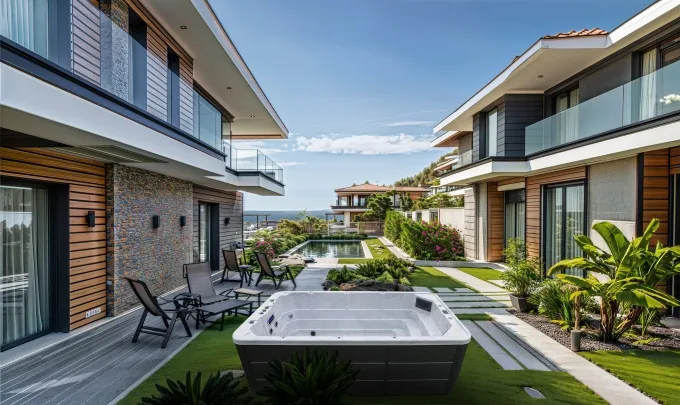
If you set your above-ground swim spa temperature too high, you will most likely use more energy than needed. By finding a well-balanced water temperature that is comfortable and not wasteful, you will be able to reduce energy consumption. Most regular users of the swim spa find that they can comfortably use water temperatures that range from 78 to 82 degrees. Slightly warmer water temperatures may be required for hydrotherapy sessions.
If you don’t use the swim spa frequently, you can lower the thermostat a few degrees when not in use to reduce the energy costs of running the equipment. Many modern systems have an eco or sleep mode to help reduce energy use by changing the way the swim spa operates based on usage patterns. By taking advantage of these features, you are reducing unnecessary energy use when the swim spa is not in use.
Properly maintaining your pump and filtration systems is one of the best ways to improve energy efficiency. Dirty filters require pumps to work harder to circulate water, which increases electricity consumption. In order to prevent these issues, you should clean or replace dirty filters regularly to keep the water flowing freely and reduce the amount of mechanical strain placed on each component of the system.
In addition, you must check that all of the pumps are functioning properly and there are no air leaks in the plumbing system. Even the smallest air leaks will cumulatively contribute to excessive energy use over a longer period of time. Scheduling regular maintenance will ensure that your above-ground swim spa remains operating at its peak performance and will keep your operating costs to a minimum.
Improving your above-ground swim spa’s energy efficiency is a combination of smart usage habits and consistent maintenance. Using quality materials for insulation, cover, temperature control, and system upkeep will result in significantly reduced energy costs while maximizing your comfort and enjoyment of your swim spa throughout the year.